
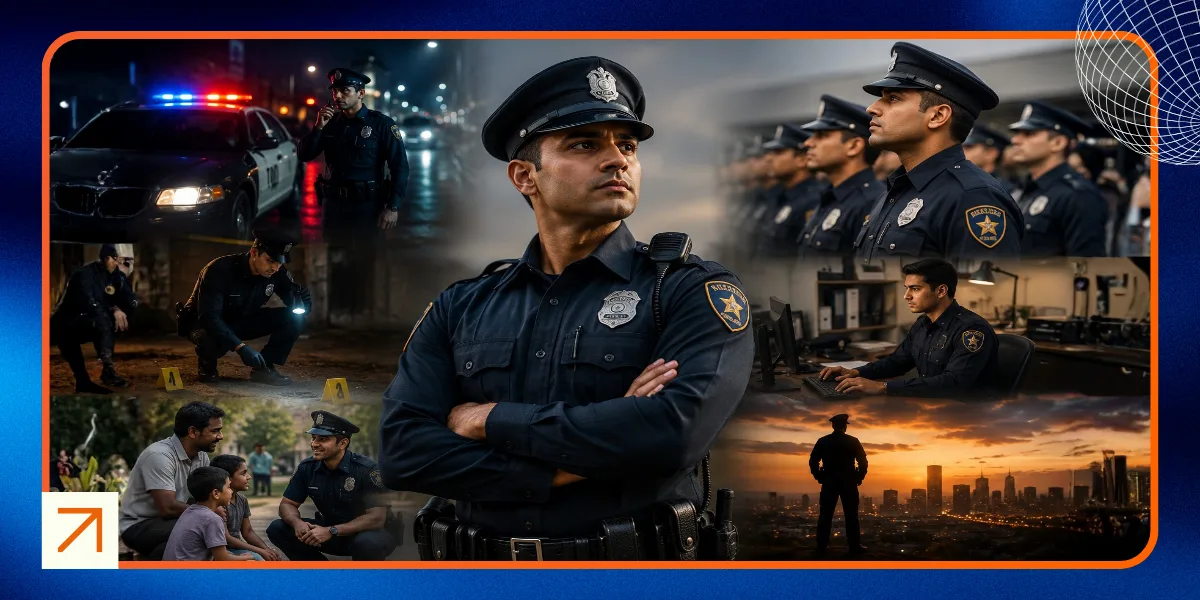
Blog written by Preethi Durga, a career strategist and education innovator.
Many aspiring police officers and their families are asking an important question: “Is becoming a police officer still a stable, long-term career?”
In my opinion, this concern is completely valid. Especially with the changing nature of law enforcement and the growing complexities of modern policing.
According to a Morung Express article (2025), it outlines several areas for police reform, including improving the police personnel-to-population ratio, filling vacancies, and reducing political influence in the appointment of key police leadership roles.
Therefore, from my experience I feel there’s a common belief that a police officer’s role is limited to patrolling streets, making arrests, and responding to emergencies. But the reality is far broader.
According to Indeed Blog (2025), police officers maintain public order, prevent crime, arrest criminals, and protect lives and property. They are also responsible for investigating crimes, gathering evidence, securing crime scenes, and writing detailed reports.
The job requires a mix of physical, mental, and technical skills that go beyond what most people imagine. It’s not just about wearing the uniform—it involves understanding community dynamics, staying ahead of evolving crime trends, and handling high-stress situations on a daily basis.
According to the New Indian Express Report (2025), BSF Director General Daljit Singh Chawdhary addressed the challenges faced by newly recruited IPS officers, including terrorism, left-wing extremism, cybercrime, financial fraud, and radicalization. He emphasized that the future of policing must be ‘smart, strict, and sensitive,’ combining technology with compassion and human rights.
With the rise in cybercrime, terrorism, and urban crime, the need for police officers who are tech-savvy and adaptable is becoming more urgent.
The role of a police officer is evolving. It is no longer limited to maintaining law and order; it also involves addressing new challenges and continually improving one’s skill set. We are happy to offer career guidance for students who aspire to join this noble profession.
An Introduction to the Career

Becoming a police officer today is about much more than just enforcing the law. From tackling cybercrime and managing public order to engaging in community relations and counterterrorism, the role is more dynamic and multifaceted than ever before.
In fact, police officer career growth in India is expanding beyond traditional boundaries. Specializations in areas like cybercrime, forensic science, and intelligence gathering are creating new opportunities for officers who are willing to adapt and grow in response to emerging trends.
According to a blog How to Become a Police Officer in the IPS in the 4 Steps (2025), joining the Indian Police Service (IPS) requires clearing specific eligibility stages, beginning with the Civil Services Examination (CSE) conducted by the UPSC. Candidates must hold a bachelor’s degree in any discipline—such as psychology, sociology, criminology, or law enforcement—to be eligible for the exam.
According to The Indian Police Journal (Jan–June 2025), published by the Bureau of Police Research and Development (BPRD), modern policing in India is undergoing a major shift driven by technology.
This transformation is largely powered by artificial intelligence and data-led tools. The journal highlights how AI is being used to support crime detection, cybercrime investigations, traffic management, and predictive policing.
It also clearly emphasizes that technology is meant to assist police officers not replace human judgment. Moreover, it highlights the need for interdisciplinary collaboration and reinforces that public trust, transparency, and human sensitivity remain central to effective policing.
Many people still associate police work with patrolling and responding to calls. But in reality, modern policing involves much more. Officers today are required to have an understanding of technology, human behavior, and public relations, in addition to their law enforcement duties.
According to my experience, officers who embrace the evolving nature of the profession and build skills aligned with where policing is headed—such as in cybersecurity or intelligence—often see quicker promotions and greater job satisfaction.
As law enforcement continues to evolve, a police officer’s daily duties are no longer confined to traditional roles. (Source: Victoria Police)
The profession is growing in complexity, requiring officers to be not only physically fit and knowledgeable about the law but also tech-savvy, adaptable, and committed to ongoing learning.
Global Trends Affecting This Career
Being a police officer today is about far more than enforcing the law. In my opinion, this is one of the most transformation-driven careers right now, influenced by technological advancements, evolving criminal trends, and growing demands for specialized roles. These shifts are reshaping what it means to be a police officer, bringing both challenges and exciting opportunities.
The recent Indian Police Foundation blog (2025), which focused on its 10th anniversary conference, emphasized that effective and accountable policing plays a crucial role in building investor confidence. Strong law and order, predictable enforcement, and public trust were repeatedly linked to economic stability and long-term investment.
Here are some of the key areas where police personnel are being hired today:
Law Enforcement
Police officers in this department handle the traditional core functions of law enforcement. It includes investigating crimes, arresting offenders, and maintaining public order. Despite technological advancements, this remains the foundation of policing, requiring strong decision-making skills, integrity, and an in-depth understanding of the law.
What it signals: The role of a police officer is evolving with modern tools and technologies, even in traditional law enforcement.
What This Means for Your Child: Police officers who excel in law enforcement will continue to enjoy strong job security. Those who adopt technological tools and modern strategies will have better opportunities for growth.
💭 Reflection Prompt: “How do you feel about using modern technology to help solve crimes and keep people safe, beyond just enforcing the law?”
Research
Research departments within the police force are becoming increasingly important as law enforcement agencies seek data-driven approaches to combat crime. These officers analyze crime trends, identify patterns, and help shape policies to improve policing strategies.
According to the National Center for Biotechnology Information (NCBI) Research Insight (2025), ethical judgment plays a critical role in modern policing. Moral reasoning is equally important in guiding police actions. Police officers who exercise authority with transparency and fairness build higher levels of public trust.
What it signals: Policing is becoming more data-driven and research-oriented, emphasizing prevention and strategy over simple reaction. This shift signals a future where officers in research roles are crucial to shaping effective law enforcement practices.
What This Means for Your Child: Police officers who specialize in research will be essential in formulating future law enforcement strategies, offering long-term career stability and opportunities to influence public safety policies.
💡 Reflection Prompt: “Would you enjoy analyzing data and trends to help predict and prevent crime?”
Vigilance
Officers in the vigilance department focus on preventing corruption within the police force and government systems. They monitor police personnel, investigate complaints, and ensure ethical standards are upheld. This department is crucial in maintaining the trust of the public and ensuring that the police force operates with integrity.
What it signals: As transparency and accountability become central in modern policing, the vigilance department is becoming an essential part of law enforcement. Officers specializing in this area will be in demand as public trust in police departments grows.
What This Means for Your Child: Specializing in vigilance offers a rewarding career where officers contribute to upholding the integrity of the police force, ensuring ethical policing practices, and securing long-term job stability.
💭 Reflection Prompt: “How important is it to you to help maintain integrity and accountability within an organization?”
Traffic Police
Traffic police officers regulate road traffic, enforce traffic laws, and manage accidents and congestion. With urbanization and increasing traffic issues, this role has expanded to include the use of smart technologies to improve road safety and reduce accidents.
According to a Better India blog (2025), traffic police officers across India face a wide range of challenges on a daily basis. Anyone choosing a career as a traffic police officer must be prepared for long working hours. They also have to deal with extreme weather conditions, as the job requires working outdoors.
This includes scorching summers, gusty cold winds, and heavy monsoon rains. Unfortunately, the efforts of traffic police officers often go unnoticed. The public often criticise them for stopping vehicles, checking helmets and documents, or issuing fines.
What it signals: The role of traffic police is rapidly evolving, integrating cutting-edge technology to improve traffic management and road safety. This shift signals an exciting future for officers in traffic management, with opportunities for professional growth and development.
What This Means for Your Child: Police officers who specialize in traffic management and embrace modern technology will play a vital role in enhancing road safety and traffic efficiency, ensuring exciting career prospects.
💡 Reflection Prompt: “Are you interested in using technology to improve how we manage traffic and keep people safe on the road?”
Cyber Police
With the rise of digital crime, the cyber police department is more vital than ever. Officers in this department specialize in handling cybercrimes like hacking, online fraud, and data breaches.
As digital crime becomes more prevalent, police forces are actively recruiting tech-savvy officers to track cybercriminals and investigate crimes in the digital realm.
According to a Press Information Bureau press release (2025), the Ministry of Home Affairs has established the Indian Cyber Crime Coordination Centre (I4C) to strengthen India’s response to cybercrime.
This dedicated body brings together cyber experts and coordinates efforts across the country to address cyber offences in a comprehensive and structured manner.
What it signals: As cybercrimes increase, the demand for cyber police officers is set to rise, making cybersecurity one of the most important areas of law enforcement in the digital age.
What This Means for Your Child: Officers who specialize in cybersecurity will be in high demand, offering exciting career opportunities that allow them to stay at the forefront of technological advancements in law enforcement.
💡 Reflection Prompt: “Are you passionate about technology and interested in fighting digital crimes like hacking and online fraud?”
Women’s Wing
The women’s wing of the police force focuses on crimes related to women’s safety, such as domestic violence, sexual harassment, and assault. Officers in this department undergo specialized training to deal with sensitive cases and offer support to victims. The women’s wing is a critical part of modern policing, ensuring that women feel safe and heard in the community.
What it signals: As societal focus on women’s rights and safety grows, the women’s wing is becoming a key department in law enforcement. The demand for officers with the training and sensitivity to handle these cases is increasing.
What This Means for Your Child: Specializing in the women’s wing enables officers to create a positive impact on society while building a meaningful career with long-term stability and job satisfaction. To learn more about the challenges and opportunities for police officers in women’s wings, connect with us. We also offer detailed career counselling for professionals seeking deeper guidance.
💡 Reflection Prompt: “Would you enjoy helping to protect and empower women, ensuring they feel safe in their communities?”
What it signals: The role of a police officer is no longer confined to just patrolling the streets. The profession is rapidly evolving, with increasing demand for officers in specialized fields such as cybercrime, traffic management, and community policing.
What This Means for Your Child: Police officers who specialize in emerging areas—like cybersecurity or community engagement—will enjoy greater job security, more career opportunities, and the chance to shape the future of law enforcement.
Many parents ask us: “My child is interested in serving the community, but with all the new technology and specialized roles, is policing still a secure career path?”
That’s exactly the kind of clarity our career-mapping sessions aim to provide.
Parent Insight: If your child is willing to adapt and specialize in areas like cybersecurity, traffic management, or women’s safety, a career in law enforcement can be both rewarding and future-proof. The demand for skilled officers in these specialized fields is growing, ensuring long-term career growth and job stability for those who stay ahead of the evolving trends in modern policing.
Global and Indian Demand Outlook
The demand for skilled police officers in India is growing rapidly, especially in specialized areas like cybersecurity, intelligence, and community policing. As crime evolves and new challenges emerge, the need for officers with diverse skill sets has never been more crucial.
While the traditional roles of policing remain vital, the demand for officers who specialize in technology, data analysis, and community engagement is steadily increasing.
What it signals: Opportunity lies in the integration of technology and specialized knowledge within the police force. Those who adapt and specialize will find career stability and growth in the evolving law enforcement landscape.
What This Means for Your Child: Graduates from law enforcement programs with specialized skills can expect opportunities not just in large metro areas, but also in emerging police sectors across India. Specializing in fields like cybercrime, traffic management, or women’s safety can open doors to exciting and secure career paths.
Wondering how your child can stand out among the growing number of law enforcement recruits each year? That’s exactly the kind of question our counselors help families answer—every single day.
Technological Innovations & Industry Changesroceedings
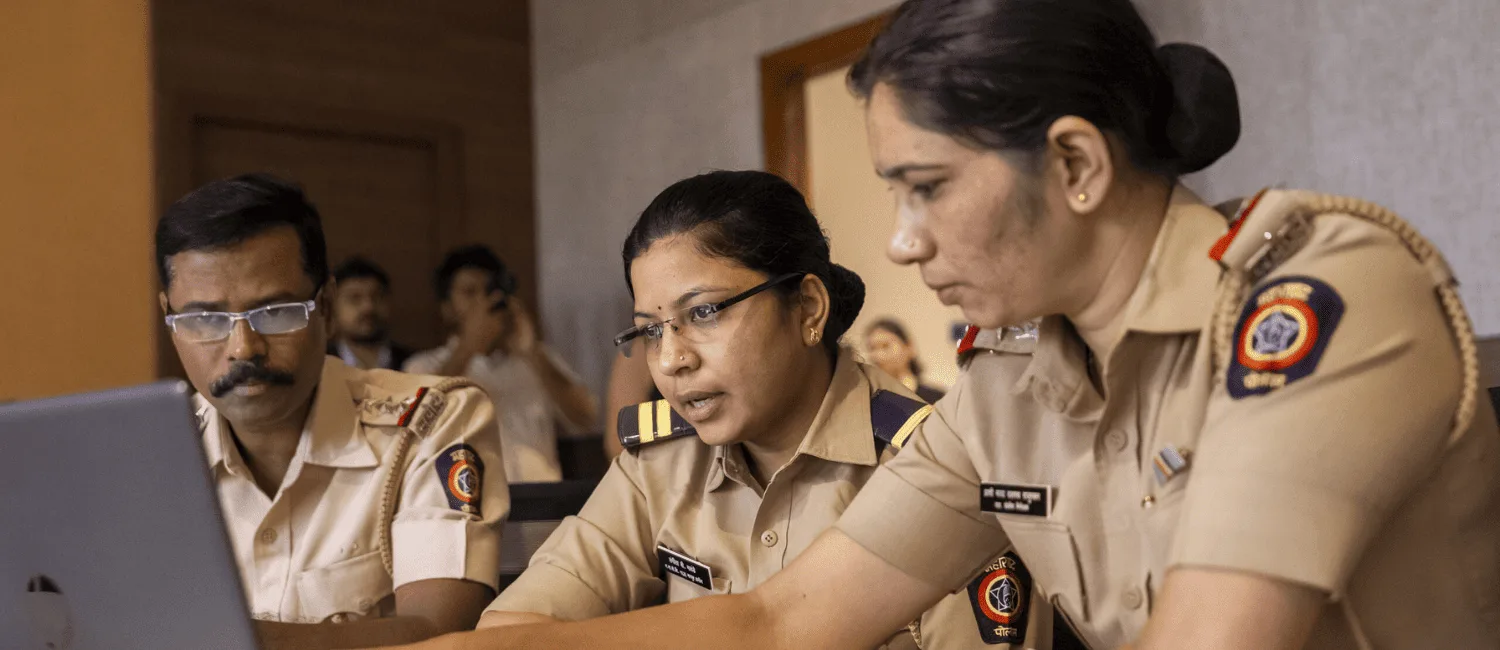
In my experience, the role of a police officer is no longer just about patrolling the streets—it’s about staying ahead of the technological curve.
The law enforcement sector is rapidly evolving, driven by innovations in surveillance technology, data analysis, and smart policing tools.
Today, police departments across India are incorporating technologies like AI-powered surveillance systems, drones, and body cameras to improve response times and enhance officer safety.
These tools are not only transforming how officers perform their daily duties but also creating a demand for officers with tech skills to manage and operate these systems.
BPRD recently launched a hackathon to promote innovative CCTV solutions for law enforcement. (Source Times of India News 2025). It encourages innovators, start-ups, and research institutions to participate. Its aim is to develop indigenous CCTV systems that are secure, scalable, and cost-effective.
Moreover, cybersecurity has become one of the most critical areas within law enforcement, as cybercrimes grow in number and complexity. Officers specializing in digital forensics, data protection, and cybercrime investigation will be in high demand.
Another major shift is the increased focus on community-based policing. As the relationship between law enforcement and the public evolves, officers are now expected to engage more with the community, address public concerns, and work on crime prevention rather than just responding to incidents. This change in focus is creating a need for officers with strong communication and conflict-resolution skills.
Simply put, law enforcement is evolving rapidly. Students who keep pace with these technological and social changes will find more opportunities, better roles, and stronger career growth.
Job Demand & Hiring Trends
In my opinion, one of the most exciting things about law enforcement right now is how job demand is shifting—not shrinking. You’ve probably heard people say that policing will become obsolete or that technology will replace officers.
But that’s only part of the picture. What’s really happening is the type of roles is changing, and demand is growing in areas many students don’t even consider yet.
Recently, The Gujarat Police Recruitment Board (GPRB) has released the Gujarat Police Recruitment 2025 notification, announcing a total of 13,591 vacancies for various police posts. (Source: Career Power blog, 2025)
Traditional roles in law enforcement are still there, but the real hiring momentum is in future-focused segments: cybersecurity, smart policing, community engagement, and specialized crime units like those addressing women’s safety and digital forensics.
In fact, many police departments are actively seeking officers who can handle both traditional policing duties and these emerging areas.
According to BPRD insights, the demand for cybercrime specialists and community-oriented officers is expected to increase significantly by 2030, driven by the rise in digital crimes and the shift toward more community-based law enforcement strategies.
In India, this demand is not just growing in metro cities but also in regional police departments and new cyber police hubs. Startups and tech companies are also becoming part of the recruitment landscape, not just traditional law enforcement agencies.
From my experience talking to law enforcement leaders, candidates who have specialized training, relevant internships, or experience in digital tools, crime prevention, or community engagement are finding job offers faster than others.
Emerging Skills & Career DNA Fit
When I speak to students who aspire to become police officers, they often say, “I want to serve my community and help people.” That’s a great starting point—but in my experience, succeeding in this field takes much more than just a desire to protect others.
Think of a police officer today as a problem-solver and innovator—someone who blends traditional law enforcement knowledge with technology, data, and community engagement. To thrive in this career, students need a mix of physical fitness, analytical thinking, emotional intelligence, and adaptability.
Key Skills:
Core Law Enforcement Knowledge:
A strong understanding of criminal law, investigation procedures, and policing methods is essential. Officers must know how to enforce the law while respecting individual rights.
Cybersecurity & Digital Forensics:
With the rise in digital crime, familiarity with cybercrime investigation, data protection, and digital forensics is becoming increasingly important for modern police officers.
Communication & Emotional Intelligence:
Being able to communicate effectively with the public and work well under pressure is crucial. Police officers need to understand human behavior and resolve conflicts calmly.
Technology & Data Skills:
Basic knowledge of technologies like AI, surveillance systems, and data analytics gives police officers a clear edge. These skills are increasingly required to handle modern crimes, ranging from traffic management to cybercrime.
The Online Amrita Blog (2025) also highlights that modern policing relies heavily on technology, from body cameras and computer-aided dispatch systems to advanced data analysis tools. As a result, police officers are expected to be comfortable using technology as part of their daily responsibilities.
Problem-Solving & Critical Thinking:
Police officers must think quickly in high-stress situations and come up with effective solutions to problems, from investigating crimes to managing emergencies.
💬 Reflective Prompt: “Do you enjoy solving real-world problems and learning new tools, even when the challenges keep changing?”
Want to check if your child’s Career DNA fits law enforcement? Take our 2-minute assessment.
From a Student’s Journey…
Amit always wanted to serve his community and help make the world a safer place, but he wasn’t sure how to turn that passion into a career. His friends kept saying, “Policing is too stressful—why not go into something more stable like IT?”
His parents were worried too. “What if he joins the force and faces burnout?” his mother asked during a career counseling session.
During the guidance session, Amit was introduced to specialized roles in cybersecurity, community policing, and smart policing tools. For the first time, he saw how his interests in technology and social service could come together in law enforcement. “I didn’t know policing today involved so much tech, data analysis, and community engagement,” he said.
From my perspective as a career coach, the shift was immediate. Once Amit saw how his skills aligned with the future of law enforcement, his outlook changed.
Today, he’s pursuing a career in law enforcement with a focus on cybercrime and community policing, building skills that match where the field is headed, not where it used to be.
3–5 Year Future Outlook
Wondering whether policing will still be relevant in the next 5–10 years? In my opinion, the answer is a definite yes—but with a shift. While traditional law enforcement duties like patrolling and investigation will continue to evolve, the future of policing will require a mix of traditional skills and modern technologies.
In the coming years, advancements like AI-powered crime analysis, drones for surveillance, and body cameras for transparency will become commonplace. Officers will spend less time on administrative tasks and more time focusing on proactive policing, intelligence gathering, and community engagement.
According to my experience, officers who understand both traditional policing and emerging technologies will be the most prepared for future challenges.
Parent Insight: Encourage your child to explore both the foundational aspects of law enforcement and the emerging tech tools that are shaping modern policing. Officers who are adaptable, tech-savvy, and community-focused will thrive in the future of law enforcement.
Try This Today — 7-Day Law Enforcement Skill-Building Plan
Day 1 — Cybersecurity Awareness
Watch a video explaining how cybercrime investigations are conducted. Take notes on the tools and techniques used by cyber police.
Day 2 — Community Engagement Practice
Look up recent initiatives in community policing. Write down strategies that foster trust between the police and local communities.
Day 3 — Curiosity & Research Day
Read about recent advancements in smart policing (e.g., AI in crime prediction, drones in surveillance).
Ask yourself: How do these technologies improve efficiency, safety, or crime prevention?
Day 4 — Digital Tools Awareness
Explore tools used in modern policing (e.g., crime data analytics software, AI-driven surveillance systems). List two tools you’d like to learn more about.
Day 5 — Analytical Thinking Exercise
Compare a traditional policing method with a modern smart policing technique.
Think about the differences in efficiency, cost, and crime prevention.
Day 6 — Problem-Solving & Communication
Observe how police officers solve complex cases.
Ask yourself: What communication skills do they use to collaborate with teams and solve problems?
Day 7 — Teamwork & Leadership Check
Consider how you work in group settings.
Are you a natural leader, a collaborator, or a problem-solver? Identify one teamwork skill to improve—it matters in real-world law enforcement teams.
Conclusion: What This Means for Aspiring Professionals
According to my experience working closely with students and parents, a career in law enforcement isn’t just about enforcing the law—it’s about solving real-world problems, improving public safety, and contributing to a more secure and just society.
From cybersecurity to community policing and smart policing technologies, police officers play a direct role in shaping how communities are protected and how public trust in law enforcement is built every day.
For students, this field offers intellectual challenges, dynamic problem-solving, and the opportunity to continuously learn as crime trends and technology evolve. For parents, law enforcement represents a career that combines physical readiness, emotional intelligence, and a deep sense of public service—provided students are guided toward the right skills and specializations.
At NextMovez, we help families look beyond outdated ideas of “just enforcing the law” to understand what modern law enforcement truly demands. It’s no longer just about patrolling—it’s a multidisciplinary field that values adaptability, technological proficiency, and a strong connection to the community.
Many families aren’t sure how to align their child’s strengths with the rapidly changing demands of the law enforcement sector. That’s where our Best-Fit Career Zone™ comes in. Our expert coaches help map your child’s interests, abilities, and personality traits to future-ready pathways in law enforcement—whether that’s in cybercrime, community outreach, intelligence, or digital forensics.
✨ Wondering if law enforcement is the right path for your child? Take our 2-minute career fit quiz to get personalized insights into how their Career DNA aligns with high-growth roles in law enforcement and public safety.
At NextMovez, we help families move from uncertainty to clarity—guiding students toward careers that are not only achievable, but meaningful and future-proof. Because choosing a career isn’t about following trends—it’s about finding the right fit. Let’s help your child make that choice with confidence.