Blog written by Preethi Durga, a career strategist and education innovator.
Fashion Designing in 2026: Why Creative Careers Are Rising in India
Global & Indian Trends Shaping Fashion Designing Careers in 2026
Trend 1: India’s Fashion Industry Is Becoming a Global Manufacturing + Design Hub
Trend 2: Digital Fashion, E-Commerce & Tech Are Redefining Creative Careers
Trend 3: Sustainability & Ethical Fashion Are Creating Long-Term Career Demand
Job Demand & Hiring Trends: Why Fashion Talent Is Being Actively Hired (Not Just Admired)
Trend 1: Rising Demand for Design + Business-Ready Fashion Professionals
Trend 2: Fashion Hiring Is Expanding Beyond Studios Into Multiple Sectors
Trend 3: Formal Training Is Becoming a Hiring Filter (Not Optional Anymore)
Skills Needed to Become a Fashion Designer in India (Beyond Creativity)
1️⃣ Design Thinking & Problem Solving
2️⃣ Digital & Tech-Enabled Design Skills
3️⃣ Fabric, Sustainability & Material Intelligence
4️⃣ Communication, Presentation & Storytelling
5️⃣ Business & Brand Awareness
6️⃣ Emotional Resilience & Discipline
3–5 Year Future Outlook: Where Fashion Designing Careers Are Headed (2026–2029)
🔹 Trend 1: India’s Fashion Industry Is Becoming Globally Integrated
🔹 Trend 2: Technology & Sustainability Will Decide Career Growth
What This Means for Students Choosing Fashion Designing Today
Conclusion: Fashion Designing Is No Longer a Risky Dream — It’s a Planned Creative Career
Introduction: When Creativity Meets Fear at the Dinner Table
It usually starts with hesitation.
Your child says, “I want to study fashion designing.”
And suddenly, the room goes quiet.
Parents don’t say no immediately — but the questions start piling up:
- “Is fashion designing a good career in India?”
- “What if it doesn’t pay?”
- “Isn’t this just a hobby?”
- “What’s the backup plan?”
I’ve seen this moment play out countless times in counselling rooms.
The truth is — most parents are not against creativity.
They are against uncertainty.
And for years, a fashion designing career in India felt uncertain — unstructured, unpredictable, and dependent on luck.
But 2026 is changing that narrative.
Fashion today is no longer just about sketching clothes or walking runways. It is a multi-billion-dollar industry, powered by exports, digital platforms, sustainability, global collaborations, and technology-led design.
What was once considered a “risky creative choice” is fast becoming a strategic creative career — if chosen consciously.
Just like yoga transformed from a passion-led practice into a structured global profession, fashion designing is undergoing the same shift.
For the right student, fashion is not rebellion.
It’s alignment.
And for the wrong one, it can become frustrating.
This blog is not about glorifying fashion blindly — just like the Yoga blog wasn’t about romanticizing passion.
It’s about helping parents and students answer one crucial question:
“Does a fashion designing career in India fit my child’s strengths, mindset, income expectations, and long-term future?”
That clarity — not passion alone — is what decides success.
This is exactly why many families today are asking — why fashion designing is a good career in India when creativity meets technology, global demand, and sustainable income paths.
Global & Indian Trends Shaping Fashion Designing Careers in 2026
Fashion designing today is not being driven by glamour —
it’s being driven by data, demand, and disruption.
Let’s break down three powerful trends that are reshaping the fashion designing career in India, and more importantly, why they matter for your child’s future.
Trend 1: India’s Fashion Industry Is Becoming a Global Manufacturing + Design Hub
India is no longer just producing garments —
it is designing for the world.
According to projections aligned with McKinsey & Company and global apparel trade reports, India’s fashion and apparel market is expected to cross USD 130–140 billion by 2026, driven by:
- Export growth
- Global brands sourcing from India
- Domestic demand from a rising middle class
India is now one of the top 5 global textile and apparel exporters, supplying to the US, Europe, and the Middle East.
Why This Matters
This shift creates design-led jobs, not just factory roles.
Brands now need:
- Apparel designers
- Textile specialists
- Trend forecasters
- Print & surface designers
- Sustainability-focused designers
A career in fashion designing is no longer dependent on owning a boutique or becoming famous —
it’s increasingly embedded inside global supply chains and brand ecosystems.
Parent Insight
Many parents still assume fashion success means:
“Either my child becomes famous — or struggles.”
The reality is different.
Most stable fashion professionals work behind the scenes, employed by export houses, global brands, and large Indian manufacturers — with predictable incomes.
Career Reality Check
This trend favors students who:
- Understand production + design
- Are open to corporate and export-oriented roles
- Think long-term, not instant fame
Fashion designing is becoming structured, not speculative.
Trend 2: Digital Fashion, E-Commerce & Tech Are Redefining Creative Careers
Fashion today lives online before it reaches stores.
According to projections referenced by Statista, India’s online fashion market is expected to grow at over 18–20% CAGR through 2026, driven by:
- D2C brands
- Social commerce
- Influencer-led fashion labels
- Global marketplaces like Myntra, Ajio, Amazon Fashion
This has created demand for new-age fashion roles:
- Digital fashion designers
- Visual merchandisers for e-commerce
- Fashion content & styling professionals
- Tech-integrated design roles (3D design, virtual sampling)
Why This Matters
This trend directly answers a common parent question:
“What is the backup if designing doesn’t work?”
The truth is — fashion designing now overlaps with tech, marketing, and digital business.
This is why creative careers in India are becoming more resilient — not less.
Parent Insight
Fashion is no longer limited to studios or cities like Mumbai and Delhi.
Students can:
- Work remotely
- Freelance globally
- Build parallel income streams online
The risk profile has reduced — if skills are diversified.
Career Reality Check
This path rewards students who:
- Are digitally curious
- Adapt quickly to platforms and tools
- Are willing to keep learning beyond college
Fashion designing today is not static creativity — it’s evolving creativity.
Trend 3: Sustainability & Ethical Fashion Are Creating Long-Term Career Demand
Fast fashion is slowing down.
Responsible fashion is scaling up.
According to insights aligned with the World Economic Forum, sustainability-driven roles across industries — including fashion — are among the fastest-growing skill areas globally.
India is seeing rapid growth in:
- Sustainable textiles
- Handloom revival
- Circular fashion models
- Ethical sourcing and slow fashion brands
Government initiatives and export regulations are also pushing brands toward eco-conscious production.
Why This Matters
This trend creates long-life careers, not trend-based jobs.
Designers trained in:
- Sustainable materials
- Ethical production
- Craft-based design
have longer relevance and global mobility.
Parent Insight
Unlike trend-based careers, sustainability-led fashion roles:
- Don’t expire quickly
- Travel well across countries
- Align with global regulations and values
This makes fashion designing a future-facing career, not a fading one.
Career Reality Check
This path is ideal for students who:
- Value purpose alongside income
- Enjoy research and process, not just aesthetics
- Are comfortable with slower but steadier growth
Key Takeaway for Parents & Students
Fashion designing in 2026 is no longer a gamble on talent alone.
It is becoming a skill-driven, globally connected, and structurally supported profession — for the right student.
Job Demand & Hiring Trends: Why Fashion Talent Is Being Actively Hired (Not Just Admired)

When parents hear fashion careers, they often imagine glamour, runway shows, and uncertainty.
But when I sit across the table from recruiters, design schools, and industry mentors, a very different picture emerges.
The fashion designing career in India is no longer niche or seasonal. It is increasingly structured, skill-driven, and hiring-led — especially for professionals who combine creativity with commercial understanding.
What’s driving this shift?
India’s fashion ecosystem is expanding across retail, e-commerce, exports, sustainability, and digital-first brands, creating consistent demand for trained fashion talent.
Let’s break down the real hiring trends shaping fashion careers in 2026, with data-backed clarity.
Trend 1: Rising Demand for Design + Business-Ready Fashion Professionals
Fashion companies today are not just hiring designers — they are hiring problem-solvers who understand design, consumers, and markets together.
According to hiring insights referenced in LinkedIn Economic Graph reports, roles related to:
- Fashion design & product development
- Apparel merchandising
- Fashion buying & planning
- Brand styling and visual merchandising
have seen double-digit growth in India’s retail and lifestyle sector over the past few years, especially in urban hubs and D2C brands.
Why this matters:
The industry rewards designers who can:
- Design with cost and scalability in mind
- Translate trends into sellable collections
- Work closely with marketing, sourcing, and merchandising teams
🎯 Parent Insight:
Your child doesn’t need to be “artsy only.”
Fashion today values creative thinkers who also understand business logic.
🧠 Career Reality:
Pure creativity is no longer enough — employability increases sharply when design meets strategy.
At this stage, students often ask how to become a fashion designer in India — and the answer increasingly lies in combining formal design education with industry exposure, internships, and a strong digital portfolio.
Trend 2: Fashion Hiring Is Expanding Beyond Studios Into Multiple Sectors
Fashion professionals are now being hired across unexpected but high-growth spaces.
As highlighted in workforce and creative economy insights aligned with the World Economic Forum Future of Jobs reports, creative roles that combine:
- Human creativity
- Visual storytelling
- Cultural intelligence
are becoming more valuable as automation reshapes routine jobs.
In India, fashion designers are increasingly hired by:
- E-commerce & D2C brands
- Export houses & sourcing companies
- Media, styling, and content-led fashion platforms
- Sustainable fashion & craft-based enterprises
Why this matters:
Fashion is no longer restricted to “designer labels.”
It is embedded in commerce, branding, exports, and digital storytelling.
🎯 Parent Insight:
A career in fashion designing today offers more entry points and safer diversification than a decade ago.
🧠 Career Reality:
Many successful professionals don’t work under their own label — they build stable careers within the fashion ecosystem.
Trend 3: Formal Training Is Becoming a Hiring Filter (Not Optional Anymore)
Earlier, fashion allowed informal entry.
In 2026, certified and institution-trained professionals are clearly preferred.
According to placement and industry data shared by National Institute of Fashion Technology (NIFT) and aligned fashion education reports:
- Graduates are hired across design, merchandising, technology, and management roles
- Recruiters prioritise candidates with portfolio depth + industry exposure + professional training
This directly strengthens the fashion designing career in India for students who choose structured learning pathways.
Why this matters:
Formal training provides:
- Industry-ready portfolios
- Exposure to real clients & production cycles
- Access to internships and recruiter networks
🎯 Parent Insight:
The question is no longer “Does my child have talent?”
It’s “Is their talent industry-ready?”
🧠 Career Reality:
Structured fashion education significantly improves employability, confidence, and long-term growth.
Best-Fit Career Zone™ Reflection (Student Prompt)
Ask your child:
- Do I enjoy creating and refining ideas for real users?
- Am I comfortable with feedback, deadlines, and iteration?
- Do I want a career where creativity meets structure?
If yes, the fashion designing career in India may align strongly with their Best-Fit Career Zone™ — especially when chosen consciously, not romantically.
Skills Needed to Become a Fashion Designer in India (Beyond Creativity)
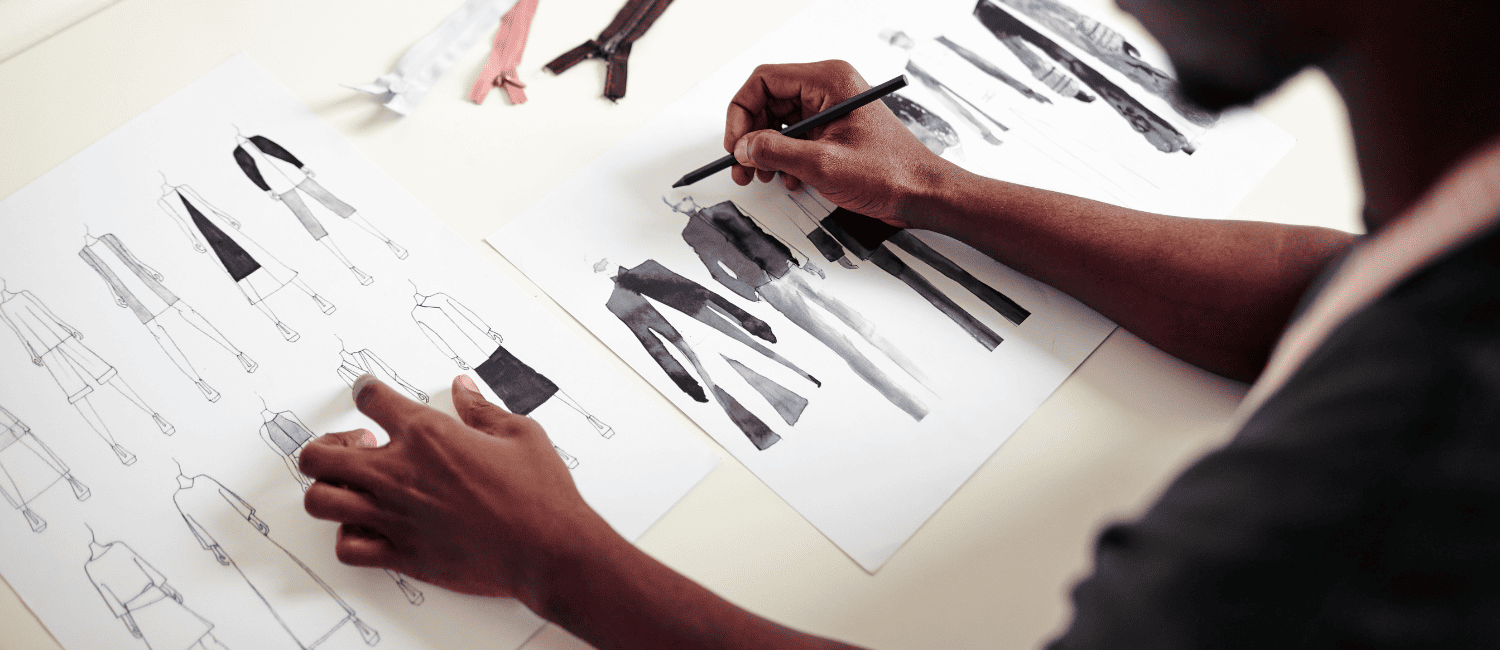
When parents ask me, “My child is creative — but what skills will actually make fashion a career, not just a hobby?” I usually smile, because this is where most misconceptions sit.
In 2026, fashion designing is no longer only about sketching or fabric sense.
The students who succeed are those who combine creative instinct with modern, employable skills.
Through our Best-Fit Career Zone™ conversations at NextMovez, we’ve seen a clear pattern:
students who treat fashion as a professional problem-solving career, not just self-expression, build stability faster.
Let’s break down the future-ready skills that matter.
1️⃣ Design Thinking & Problem Solving
Fashion today solves real problems — comfort, sustainability, inclusivity, affordability.
Future-ready designers can:
- Design for specific users (age, climate, body type, purpose)
- Balance aesthetics with functionality
- Think in collections, not isolated outfits
Why it matters: Brands hire designers who think commercially, not just artistically.
2️⃣ Digital & Tech-Enabled Design Skills
Manual skills alone are no longer enough.
Key digital skills include:
- CAD tools (CLO3D, Illustrator, digital patterning)
- Tech packs & digital sampling
- Understanding virtual prototyping and reduced physical wastage
Career reality: Designers with digital skills are hired faster and paid better — especially by export houses and D2C brands.
3️⃣ Fabric, Sustainability & Material Intelligence
Parents often underestimate this — but fabric knowledge is a power skill.
Emerging designers must understand:
- Sustainable textiles & ethical sourcing
- Cost–quality trade-offs
- Climate-appropriate material selection
Why it matters: Sustainability is no longer optional — it’s a hiring filter.
4️⃣ Communication, Presentation & Storytelling
Designs don’t sell themselves — designers do.
Successful fashion professionals can:
- Present concepts clearly to buyers & teams
- Explain inspiration → execution → cost logic
- Build a compelling portfolio narrative
Reality check: Many talented designers struggle not because of creativity — but because they cannot explain their work.
5️⃣ Business & Brand Awareness
Fashion careers today reward creator-entrepreneurs.
Essential awareness includes:
- Basic costing & pricing
- Understanding consumer behaviour
- Social media, branding, and market positioning
This is especially critical for students asking:
“Is fashion designing a good career in India?”
Yes — when paired with business awareness.
6️⃣ Emotional Resilience & Discipline
Fashion is creative — but it is also demanding.
Students who last in this field show:
- Patience with feedback & rejections
- Ability to work under deadlines
- Emotional resilience during early career instability
Truth for parents: Talent opens the door — discipline keeps the career alive.
🎯 Coaching Prompt for Parents
Before encouraging or discouraging a fashion designing career, ask yourself:
- Does my child enjoy creating with constraints, not just free expression?
- Are they willing to learn technology, business, and communication — not just design?
- Can they handle feedback, deadlines, and gradual growth?
If the answers lean yes, fashion designing may not just be a passion —
it may be a well-aligned creative career in India.
Key Insight: Degrees may start the journey —
but skills decide longevity.
Fashion careers reward students who evolve with the industry — not those who freeze at talent alone.
3–5 Year Future Outlook: Where Fashion Designing Careers Are Headed (2026–2029)
Whenever parents ask me to look beyond the first internship or first paycheck and focus on where a fashion career will stand five years from now, my answer is honest and grounded:
Fashion designing is not shrinking — it is reorganising.
And students who enter the field with the right skill mix will grow faster than ever before.
Between 2026 and 2029, fashion designing careers in India will not be defined only by glamour or runway visibility —
they will be shaped by technology, sustainability, globalisation, and digital-first consumption.
Let’s look at what the next 3–5 years realistically hold
🔹 Trend 1: India’s Fashion Industry Is Becoming Globally Integrated
India is no longer just a manufacturing hub — it is becoming a design and innovation partner for global brands.
What’s changing:
- Indian designers are increasingly working with international labels, export houses, and global D2C brands
- Demand is rising for designers who understand Indian aesthetics + global consumer taste
Latest insight: India’s apparel and textile sector is projected to grow at a strong pace through the decade, with exports and domestic consumption both contributing to sustained demand for skilled fashion professionals.
Why this matters for students: Fashion designing career opportunities will expand beyond metros — and beyond India — especially for digitally skilled designers.
🔹 Trend 2: Technology & Sustainability Will Decide Career Growth
The next phase of fashion careers will clearly separate traditional designers from future-ready designers.
Industry shift insight: A growing share of fashion brands are investing in:
- 3D design & digital sampling
- Sustainable materials and circular fashion models
- Data-driven demand forecasting
Career reality: Designers who combine creativity with:
- digital design tools
- sustainability knowledge
- cost and production awareness
will see faster role elevation and higher income stability.
What This Means for Students Choosing Fashion Designing Today
For students entering a career in fashion designing now, the next 3–5 years can bring:
- Role evolution
From junior designer → category specialist → design strategist / brand lead - Income scalability
Through specialisation, exports, digital platforms, and independent labels - Career resilience
As creative careers in India become more structured and skill-driven
This is why fashion designing is increasingly seen not just as a creative choice —
but as a strategic career path when chosen consciously.
Parent Perspective
Ask not just “Can my child design?”
Ask instead:
“Will my child grow with where the fashion industry is going?”
That one shift changes everything.
Get clarity on where this career can realistically take your child in 5 years.
👉 Map your child’s strengths to real Fashion Design Career Opportunities
👉 Evaluate income growth, specialisation paths, and global exposure
👉 Decide if fashion should be a primary career, hybrid path, or creative-business blend
Clarity first. Career confidence follows.
Conclusion: Fashion Designing Is No Longer a Risky Dream — It’s a Planned Creative Career
Fashion designing in 2026 is not about blind passion or glamour-driven choices.
It is about strategy, skill alignment, and long-term relevance.
For the right student, a fashion designing career in India can offer:
- Meaningful creative expression
- Multiple income pathways (jobs, brands, freelancing, global clients)
- Strong growth aligned with fashion industry growth in India
- High Return on Time (ROT) when skills are layered early
- Global exposure without mandatory relocation
For others, fashion works best as:
- A hybrid career (design + business / tech / marketing)
- A creative specialisation layered onto another profession
- A future-facing skill supporting entrepreneurship
The difference between success and struggle is not talent alone —
It is career clarity before commitment.
🎯 Actionable Takeaway
Before enrolling in any fashion designing course:
- Pause
- Assess fit
- Map skills, income expectations, and long-term growth
👉 Don’t ask “Is fashion designing a good career in India?”
👉 Ask instead: “How does fashion fit into my strengths, goals, and future?”
That’s where structured career guidance changes outcomes.
Resources and References Used
- World Economic Forum – Future of Jobs Report (Creative & Human-Centric Roles)
https://www.weforum.org/reports/the-future-of-jobs-report-2023 - McKinsey & Company – The State of Fashion (Asia & India Insights)
https://www.mckinsey.com/industries/retail/our-insights/state-of-fashion - Global Wellness Institute – Creative & Lifestyle Economy Insights
https://globalwellnessinstitute.org/industry-research
- India Brand Equity Foundation – Textiles & Apparel Industry Overview
https://www.ibef.org/industry/textiles - Ministry of Textiles, Government of India – Industry & Export Reports
https://texmin.nic.in
- LinkedIn Economic Graph – Jobs on the Rise (India)
https://economicgraph.linkedin.com/resources/linkedin-jobs-on-the-rise
- National Institute of Fashion Technology (NIFT) – Annual & Placement Reports
https://nift.ac.in/sites/default/files/annual-report - Careers360 – Fashion Designing Career Scope & Skills
https://www.careers360.com/careers/fashion-designer
- Ministry of Education (India) – Skill & Creative Education Frameworks
https://www.education.gov.in/skill-development