Blog written by Preethi Durga, a career strategist and education innovator.
Introduction: Understanding the Reality of Today’s Classrooms
Every student—whether sitting in a government school classroom or a private college lecture hall—walks in with the hope of learning something meaningful. Yet one of the major issues in classroom learning today isn’t intelligence or effort, but the growing disconnect between how students learn and how classrooms are still structured.
Moreover, according to a 74 Million Org blog, (2025), managing cellphone addiction among students has become a top challenge for school administrations. Education systems may appear modern on paper, yet inside the classroom, engagement often feels forced, mechanical, or absent altogether.
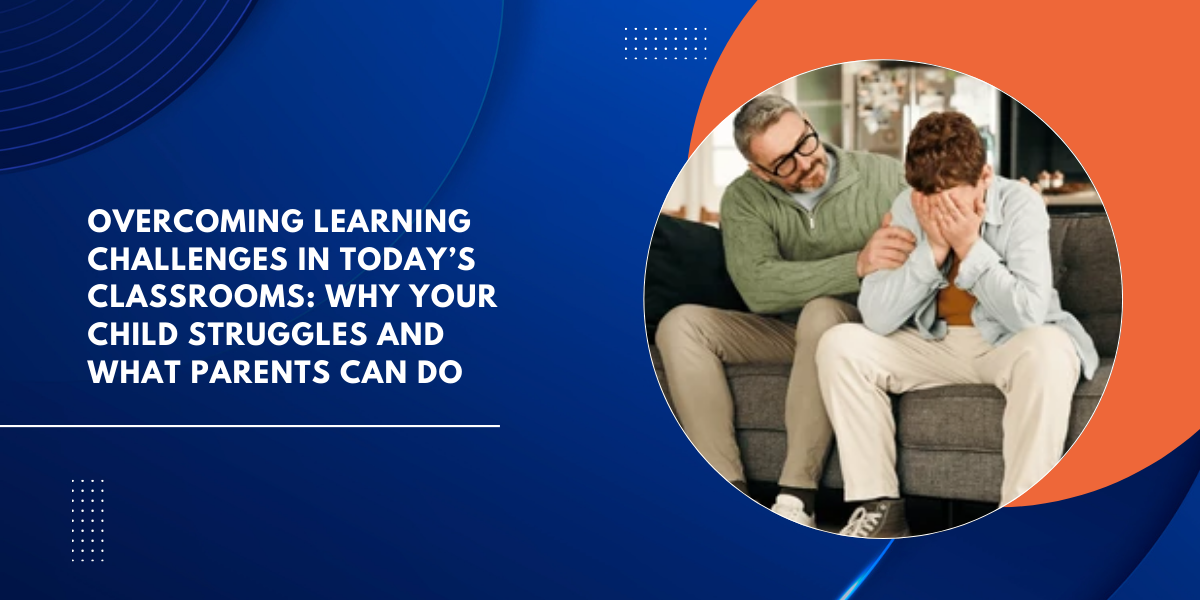
Imagine Riya, a curious Class 10 student from Bengaluru, sitting in a packed classroom. Her teacher is explaining an important concept, but it’s delivered straight from the textbook, word for word. Riya wants to ask why and how, but there’s no time—notes must be completed before the bell rings. Later at home, her parents ask, “Did you understand today’s lesson?” She shrugs and says, “I memorised it… but I don’t really get it.”
This is where classroom disengagement quietly turns into a career problem. When learning is reduced to memorising content and finishing the syllabus, students miss out on building skills that matter beyond school—curiosity, problem-solving, communication, and self-awareness. Over time, classrooms stop feeling relevant to real life. Students may pass exams, but they struggle to see how what they’re learning connects to future career paths, making education feel disconnected and, frankly, pointless.
In our work with students and educators, we’ve repeatedly seen that the challenges aren’t due to lack of potential. They stem from modern classroom issues—rigid systems, exam-centric teaching, and challenges faced by teachers who are expected to manage learning outcomes without enough flexibility or support.
Addressing classroom disengagement starts with small but intentional steps. Parents and students can begin by reflecting on which subjects spark genuine interest and why. Regular career discussions, exposure to different professions, and structured career assessments help students connect academics with future possibilities. Insights commonly shared through career counselling conversations and CCC-inspired discussions reinforce one key idea—students engage better when they see learning as a pathway, not a checklist.
To truly understand why students disengage, we first need to unpack what’s going wrong inside the classroom itself. According to a Bernama Blog, (2025), despite years of formal education, many graduates struggle to speak effectively in real communication settings, which weakens their confidence and limits their employability.
Frameworks to Understand and Fix Classroom Learning Challenges
Here are some practical frameworks—drawn from real classroom observations, teacher-training sessions, and student mentoring experiences—that help explain the current issues in classroom learning more clearly. Instead of looking at engagement as a vague problem, these tools break down why classroom learning problems persist and where things start slipping.
1. The “Design → Delivery → Response” Loop – Where Learning Breaks Down
What it is:
A simple way to analyse classroom effectiveness: Lesson Design → Teaching Delivery → Student Response
If even one part of this loop fails, the entire learning experience suffers.
Example:
A science teacher designs a solid lesson but delivers it entirely through lectures. Students copy notes, but few ask questions. The response is silence—not because students don’t care, but because the format leaves no room for interaction.
A Distance Learning Institute Blog, (2025), highlights the need to introduce students to new topics in ways that immediately capture their attention. Effective teachers begin by creating connections between students’ existing knowledge and new material.
Why it matters:
One of the most important issues in classroom learning is assuming that good content automatically leads to good learning. Without feedback or interaction, teachers can’t gauge understanding, leading to classroom learning problems over time.
2. The “Passive vs Active” Learning Lens – Spotting Engagement Gaps
What it is:
A simple comparison to identify lack of student engagement in classroom settings.
- Passive learning: Listening, copying, memorising
- Active learning: Discussing, questioning, applying
Example:
In two history classes covering the same topic, one relies on dictation while the other uses group discussions and debates. Students in the second class retain more—not because the syllabus changed, but because participation did.
A ScienceDirect Research Article, (2025), points out that educators and institutions often struggle to determine whether students have actually acquired the intended knowledge and skills, which affects their readiness to handle ethical dilemmas in real-world technology use.
Why it matters:
A growing lack of student engagement in classroom environments often comes from passive methods being overused, even in modern classrooms.
3. The “Teacher Load” Reality Check – Understanding Educator Constraints
What it is:
A framework to recognise the challenges faced by teachers beyond teaching itself—administration, syllabus pressure, assessments, and classroom management.
Example:
A teacher handling five sections of the same subject focuses on finishing the syllabus rather than experimenting with activities. Engagement drops, but not due to lack of effort.
Why it matters:
Many issues in classroom learning are systemic. Without addressing teacher workload, even the best teaching intentions struggle to translate into impact.
4. The “Relevance Test” – Connecting Learning to Real Life
What it is:
A quick question students subconsciously ask: “Why do I need to know this?”
Example:
Mathematics concepts taught without real-world applications often appear abstract to students. When lessons are connected to everyday situations such as budgeting, data use, or career-related scenarios, student attention improves noticeably. In countries like India, educators need to focus on building interest among young learners by using relatable examples and showing how classroom knowledge can be applied in the future.
A 21K School Blog, (2025), outlines several issues affecting the Indian education system today, including excessive emphasis on grades and scores, intense competition across fields, limited attention to holistic development, and an outdated syllabus.
Why it matters:
Modern classroom issues often arise when students can’t see how lessons connect to their future, leading to disengagement and surface-level learning.
5. Patterns Seen Across Classrooms
Across schools and colleges, some patterns repeat consistently:
- Overemphasis on exams over understanding
- Limited time for questions or discussion
- One-size-fits-all teaching styles
This structured way of looking at classrooms helps shift the conversation from blaming students or teachers to understanding the system itself. In the next sections, these frameworks will help unpack specific classroom learning problems—and what can realistically change moving forward.
Key Challenges in Classroom Learning Today

- Outdated teaching methods: Heavy reliance on lectures and rote learning leaves little room for discussion, critical thinking, or curiosity—one of the most common classroom learning problems.
- Lack of real-world relevance: When students can’t connect subjects to everyday life or future careers, motivation drops, leading to a clear lack of student engagement in classroom settings.
- Exam-centric education systems: Learning becomes about marks, not mastery. This pressure discourages exploration and deep understanding.
- Overcrowded classrooms: Large class sizes limit individual attention, making it difficult for teachers to address different learning speeds.
- Limited student voice and interaction: Students often hesitate to ask questions due to time constraints or fear of being judged.
- Challenges faced by teachers: Teachers juggle administrative work, syllabus deadlines, and assessments, leaving little space for innovative teaching approaches.
- One-size-fits-all learning models: Different learning styles are rarely accommodated, creating gaps even among capable students.
- Minimal career awareness: Without career guidance, students struggle to see the long-term value of classroom learning.
Bringing It All Together
When you step back and look at the classroom through these frameworks—the Design → Delivery → Response loop, the Passive vs Active learning lens, the Teacher Load reality check, and the Relevance Test—a clearer picture starts to form.
The problems with classroom learning aren’t random or sudden. They’re layered, predictable, and deeply connected to how learning is planned, delivered, and experienced.
These tools help shift the conversation away from blame. Instead of saying students aren’t interested or teachers aren’t trying enough, we begin to see how classroom learning problems build up when systems don’t evolve alongside student needs. A lack of student engagement in classroom settings is often a symptom, not the root cause.
According to the BGSVS Tirupati School blog, (2025), student-centric learning represents the future of Indian education.
Educational institutions need to give focused attention to this shift. Encouraging self-paced learning, developing real-world problem-solving skills, and using interactive, collaborative methods can help students learn more effectively and in ways that suit individual learning styles.
What’s important to remember is this—there is no one-size-fits-all solution. Every classroom is different. But having clear frameworks allows schools, teachers, parents, and students to identify what exactly isn’t working and why. That clarity alone is powerful.
Much like any growth journey, improvement in learning works best when roles are clear:
- The Guide (teacher or mentor) who structures learning meaningfully
- The Learner (student) who actively participates and reflects
- The Support System (school, parents, counsellors) that provides direction beyond textbooks
When these three align, modern classroom issues stop feeling overwhelming. Learning shifts from “just finishing the syllabus” to actually building understanding and confidence.
This is also where career guidance and career counselling begin to matter more than people realise. When students understand how classroom learning connects to future careers, motivation improves naturally.
The career guidance for students helps learners see purpose in what they’re studying—and that purpose can be the missing link that reduces disengagement and helps students move forward with clarity.
Reflection Questions
- When you think back to your classroom experiences, what made learning feel meaningful?
- Which classroom learning problem do you notice most often today—lack of relevance, interaction, or flexibility?
- If learning were clearly connected to future career paths, how differently do you think students would show up in class?
These questions don’t solve everything overnight—but they’re a solid place to start.
Case Study 1: Ananya — A Bright Student Who Slowly Disengaged
Myth:
“Students lose interest because they’re lazy or distracted.”
Challenge:
When Ananya entered Class 9, she appeared academically strong—but a CCC-style career clarity check revealed a different story. While her grades were consistent, her classroom engagement was declining. Learning has become repetitive: listen, copy, memorise, repeat. From a CCC lens, this wasn’t just an academic issue—it was an early sign of missing career direction.
As part of a structured CCC self-discovery and career exploration process, Ananya was guided through reflection exercises that focused on interests, thinking patterns, and real-world problem preferences. Role-based career scenarios helped her recognise that she naturally gravitated towards analytical thinking and structured problem-solving, rather than theory-heavy recall. This insight reframed how she viewed her subjects.
Using CCC career mapping tools, Ananya connected classroom topics to future career pathways where these skills mattered. Mathematics became more than marks—it represented analytical roles. Science shifted from textbook learning to application-driven careers. With this clarity, classroom learning stopped feeling abstract and started functioning as career preparation.
Once her career clarity framework was in place, Ananya’s classroom behaviour changed on its own. She asked sharper questions, focused on understanding over memorisation, and made subject choices aligned with long-term career fit—not short-term performance. For Ananya, CCC didn’t “fix” education; it repositioned classroom learning as a strategic step in her career journey—exactly where clarity needs to begin.
According to the India Today report, (2025), one in five students in India struggles with problem-solving and critical thinking skills. This gap points to a mismatch between classroom learning and workplace expectations, indicating the need for a thorough rethinking of the education system so that students develop skills relevant to industry demands.
Solution:
What changed wasn’t Ananya’s ability—but the learning approach:
- One teacher began using discussion-based learning instead of only lectures.
- Real-life examples were added to explain abstract concepts.
- Students were encouraged to ask why, not just what.
Slowly, Ananya started participating again. Learning felt less mechanical and more meaningful.
Result:
Her confidence improved, classroom participation increased, and she began linking subjects to real-world applications.
Parent Takeaway:
Many major issues in classroom learning are not about capability. They stem from classroom learning problems like rigid teaching styles and limited interaction.
Why it matters:
Ananya’s story reflects a common pattern—lack of student engagement in classroom environments often grows when curiosity isn’t nurtured early.
This is where personalised learning becomes essential. A TeachBetter AI Blog, (2025), notes that personalised learning and addressing diverse learning needs are urgent priorities in education today. Since students progress through the syllabus at different paces, educators must respond to individual needs in the classroom to create a supportive and effective learning environment.
Case Study 2: Mr. Sharma — A Teacher Caught Between Intent and System
Myth:
“If teachers care enough, engagement will automatically improve.”
Challenge:
Mr. Sharma, a high-school mathematics teacher, genuinely wanted his students to understand concepts, not just score marks. But the reality of large class sizes, tight academic timelines, and constant exam pressure left little room for experimentation. From a CCC perspective, this wasn’t only a teaching challenge—it was a missed opportunity to build early career readiness inside the classroom.
Through a CCC-inspired classroom–career alignment approach, Mr. Sharma reframed how mathematics was presented to students. Instead of treating math as a standalone subject, he introduced career-linked problem scenarios—short, real-world cases connected to analytical, technical, and data-driven roles. Even within time constraints, these role-based prompts helped students see mathematics as a career skill rather than just an exam requirement.
Using CCC micro-mapping strategies, Mr. Sharma aligned key math concepts with future career pathways that value logical reasoning, modelling, and structured thinking. Students were encouraged to reflect on how they solved problems, not just whether they got the answer right. This small shift—from performance to process—changed classroom dynamics without disrupting the syllabus.
As students began recognising mathematics as a transferable career skill, engagement improved organically. Questions became more intentional, participation increased, and learning moved beyond memorisation. For Mr. Sharma, CCC didn’t demand extra time or elaborate activities—it provided a career clarity framework that helped transform everyday teaching into meaningful career preparation.
Solution:
Instead of overhauling everything, small shifts were introduced:
- One problem-solving discussion per week
- Short reflection questions at the end of lessons
- Linking chapters to practical use cases like finance and data
These small changes worked within the system rather than against it.
Result:
Student participation improved, questions increased, and even exam performance stabilised—without extra syllabus pressure.
Parent Takeaway:
The challenges faced by teachers are real and often systemic. Expecting engagement without structural support only deepens modern classroom issues.
Why it matters:
This case highlights that major issues in classroom learning often sit at the intersection of intention and limitation—not effort.
It is worth noting that an ACER Blog, (2025) points to a sharp drop in learning confidence as students move from primary to secondary school. This makes it necessary for educators and institutions to ensure that students maintain consistent interest and engagement as they progress from one class level to the next.
Conclusion
Fixing what’s broken in classrooms isn’t about blaming students, teachers, or the system—it’s about clarity, alignment, and timely support. The major issues in classroom learning don’t appear overnight. They build up when learning feels disconnected, when classroom learning problems go unaddressed, and when students can’t see how today’s lessons connect to tomorrow’s lives.
Throughout this article, we’ve seen how modern classroom issues—like lack of student engagement in classroom settings and the challenges faced by teachers—are often rooted in structure, relevance, and purpose.
When learning is reduced to finishing the syllabus, engagement naturally drops. But when students understand why they are learning something, attention and motivation shift almost automatically.
This is where career counselling for professionals can play a critical role. When students receive early career direction, classroom learning stops feeling abstract. Subjects gain meaning. Effort feels worthwhile. A clear sense of direction helps students push through the major issues in classroom learning by connecting education to real goals, real careers, and real outcomes.
At NextMovez, the focus is exactly on this bridge—helping students move from confusion to clarity. Through structured career counselling, career coaching, and future-focused guidance, learners begin to understand how classroom learning fits into the bigger picture of their lives.
Ready to help your child connect classroom learning to a confident career future? Book a free 30-minute career clarity session with NextMovez today