
Blog written by Preethi Durga, a career strategist and education innovator.
When parents hear the word gaming, the first reaction is often concern — “Too much screen time,” “Is this even a real career?” or “What will the future look like?”
Students, on the other hand, ask a very different question: “If I already spend hours gaming, can this passion actually become my profession?”
This question sits at the heart of today’s career conversations.
In my interactions with families and young learners, I see the same gap repeating itself: gaming is viewed either as a distraction or a risky dream, rarely as a structured career in gaming with defined roles, income pathways, and global demand. The truth is far more nuanced. Gaming as a career today extends well beyond playing games — it spans game design, development, storytelling, esports, animation, sound engineering, testing, marketing, community management, and even behavioural psychology.
In fact, the numbers tell a powerful story. According to Newzoo’s Global Games Market Report (2024), the global gaming industry generated over USD 184 billion in revenue, employing millions across technology, creative design, esports, and interactive media worldwide.
Source: https://www.newzoo.com/insights/trend-reports/newzoo-global-games-market-report
This scale explains why gaming industry careers are no longer fringe options — they are becoming part of the mainstream digital economy.
For students, this opens up exciting gaming career opportunities across India and abroad. For parents, it raises an important question: is gaming a good career if approached with clarity, structure, and the right skills? Just like engineering, media, or design, success in this field depends on discipline, role-fit, and long-term planning — not just passion.
This blog is written to bring balance to the conversation. We’ll break down the realities of gaming as a career, explore viable career paths, growth potential, and risks, and help you assess whether this field aligns with your child’s strengths and thinking style. Whether you’re a parent seeking grounded guidance, a student exploring options, or even someone considering a shift with the help of career counselling for students or career counselling for professionals, this guide will help separate hype from genuine opportunity.
And for families also exploring global exposure — often with the support of study abroad consultants — understanding the structure of gaming careers becomes even more critical before making big academic or financial commitments.
Let’s look beyond stereotypes and ask the right question: Can gaming become a future-ready profession when passion is paired with planning?
At NextMovez, we assess gaming as a career very differently from internet trends or peer opinions. Through our Best-Fit Career Zone™, we examine whether a student’s interest in gaming aligns with high-discipline, outcome-driven profiles — such as systems thinking, pattern recognition, strategic focus, and long-hour cognitive endurance.
Because in the gaming industry, success doesn’t come from playing more — it comes from thinking deeper, training smarter, and building skill stacks that convert passion into performance. When gaming fits a student’s Career DNA, it becomes a profession. When it doesn’t, even talent struggles to sustain momentum.
Coaching Insight
In my experience, the real question isn’t “Does my child love gaming?” — it’s “What part of gaming energises how they think?”
Some students are drawn to strategy and problem-solving, others to storytelling, design, or systems thinking. When we decode how a student engages with games — not just how long they play — clarity emerges. Gaming becomes a career path only when passion is aligned with discipline, skill-building, and long-term intent.
Global Trends Shaping Gaming Careers
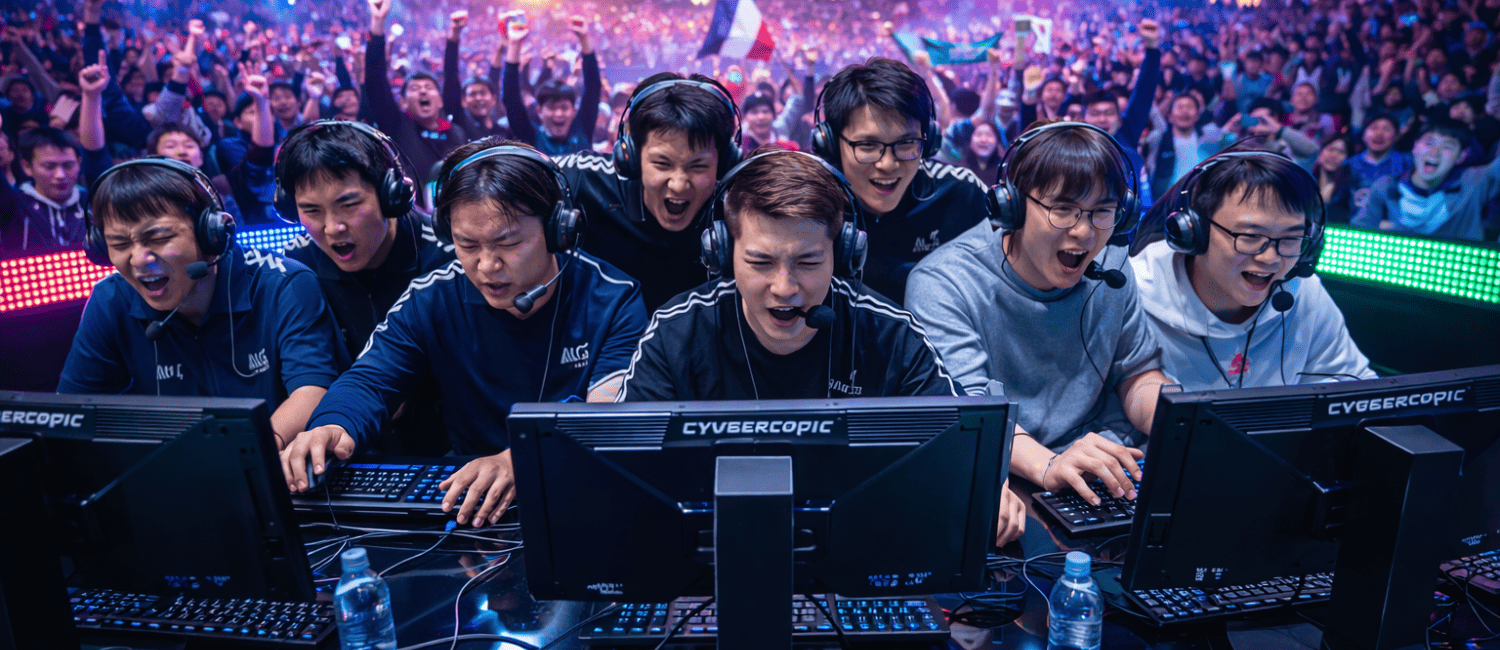
When students ask me whether gaming as a career truly has “growth,” I offer this reframing:
Gaming is one of the few modern careers where technology amplifies human creativity — not replaces it.
As AI and automation handle engines, rendering, and testing workflows, human roles in design, storytelling, strategy, community building, and competitive play become more valuable — not less.
This is not a trend driven by teenage interest.
It’s driven by global entertainment economics, digital consumption behaviour, and platform-based business models.
Why demand for gaming industry careers is accelerating:
- Global digital entertainment consumption
- Esports professionalisation
- Game-as-a-service (GaaS) business models
- Cross-platform & mobile-first gaming
- AI-assisted development increasing scale, not reducing jobs
According to PwC Global Entertainment & Media Outlook 2024–2028, the global video games and esports market is projected to cross USD 227 billion by 2027, making gaming the largest segment in the entertainment industry.
This isn’t a passing youth trend — it’s a structural shift in how the world consumes entertainment and technology.
1. Demand for Gaming Professionals Is Structurally High
Gaming careers are no longer dependent on “hit games” alone. Demand is built into continuous content cycles, live operations, and digital ecosystems.
Why demand remains high:
- Live-service games require constant updates, testing, design, and moderation
- Mobile and online games operate on global 24/7 player bases
- Esports leagues, streaming platforms, and creator economies need skilled professionals
- Studios now hire for roles, not just titles (designers, analysts, community managers, QA, monetisation strategists)
According to Newzoo Global Games Market Report 2024, over 3.4 billion people worldwide engage with games, creating sustained demand for development, operations, and community roles.
Why it matters: Unlike hobbies, gaming industry careers are powered by recurring revenue models, not one-time projects.
Parent Insight: Your child is not entering a “trend-based” career. They’re entering a global digital industry where demand grows with screen time, connectivity, and platform expansion — regardless of geography.
2. Income & Growth: How Gaming Careers Scale Over Time
Unlike traditional creative careers, gaming careers scale with skill depth and systems expertise, not just popularity.
According to Naukri.com Hiring Trends 2024, demand in India has increased for:
- Game designers
- Unity / Unreal developers
- QA automation testers
- Game artists & UI/UX specialists
Average annual earnings in India (indicative, 2024–25):
- Entry-level game roles: ₹4–6 LPA
- Mid-level specialists (3–5 yrs): ₹8–15 LPA
- Senior designers / tech leads / producers: ₹18–30 LPA+
(Source: Naukri & Glassdoor India role benchmarks)
Globally, LinkedIn Jobs on the Rise 2024 highlights gaming, immersive media, and interactive design roles among high-growth digital careers.
Add to this:
- Remote global studios
- Indie publishing & revenue share models
- Esports coaching & analytics
- Streaming, IP licensing, and platform partnerships
This is why a career in gaming is increasingly relevant even for students considering study abroad consultants, global programs, or mid-career pivots through career counselling for professionals.
Career Reality: Quick fame is rare.
But structured skill growth leads to compounding income and global mobility.
3. Why Gaming Careers Are More Stable Than Parents Assume
In our internal Stability–Growth Balance Index™, gaming careers score higher than many traditional creative fields.
Stability comes from:
- Multi-year game lifecycles
- Platform-based employment (studios, publishers, platforms)
- Transferable skills (design, analytics, coding, UX, storytelling)
- Low risk of full automation — AI assists, but doesn’t replace creative judgment
According to the World Economic Forum – Future of Jobs Report 2025, roles that combine:
- Creative thinking
- Systems design
- Human–machine collaboration
…are among the most resilient as AI reshapes work. Gaming roles sit directly at this intersection.
Ask Yourself
Are you choosing a career based on how it looks today —
or how it will still matter ten years from now?
Skills Required for a Gaming Career

When parents ask me, “What skills does my child actually need to succeed in gaming?” I often smile — because the biggest misconception is this:
gaming careers are built less on how much you play, and more on how well you think while playing.
In 2025, the gaming industry doesn’t reward obsession alone. It rewards discipline, systems thinking, creative problem-solving, and long-term skill-building. The students who thrive in gaming industry careers are the ones who move early from consumers of games to creators and strategists within gaming ecosystems.
By 2030, playing games won’t be the differentiator — building, analysing, and optimising games will be.
“In gaming careers, talent opens the door — discipline decides how far you go.”
Core Skills Required for a Sustainable Career in Gaming
1. Systems Thinking & Game Logic
Games are complex systems — mechanics, rules, feedback loops, and player psychology working together.
Successful gaming professionals understand why a game works, not just that it’s fun.
Why it matters: Game designers, analysts, and developers are hired for thinking depth, not reflex speed.
2. Creative Problem-Solving & Design Mindset
Whether it’s level design, narrative flow, character balance, or user experience — gaming careers demand creativity with structure.
This includes:
- Storyboarding and world-building
- Player journey design
- Balancing challenge vs engagement
Why it matters: Creativity without structure leads to burnout. Structure turns creativity into careers.
3. Technical & Tool-Based Skills
Depending on the role, this may include:
- Game engines (Unity, Unreal)
- Programming basics (C#, C++, Python)
- Art, animation, or UI/UX tools
- Data analysis for player behaviour and monetisation
Why it matters: Skills convert passion into employability.
4. Discipline, Focus & Iterative Learning
Gaming careers require:
- Long hours of testing and refinement
- Handling feedback, bugs, and rejections
- Continuous learning as platforms and tools evolve
This is where many passionate gamers struggle — not because they lack interest, but because they underestimate the discipline required.
Why it matters: Consistency beats intensity in gaming careers.
5. Communication & Collaboration Skills
Modern games are built by teams — designers, developers, artists, testers, marketers.
Clear communication and collaboration are non-negotiable.
Why it matters: The best ideas fail if they can’t be explained or executed within a team.
At NextMovez, we evaluate gaming as a career through our Best-Fit Career Zone™, not internet hype.
Students who thrive in gaming careers typically show:
- High cognitive stamina
- Pattern recognition and strategic thinking
- Comfort with delayed rewards
- Willingness to practise before performing
When gaming aligns with a student’s Career DNA, effort compounds.
When it doesn’t, even talent feels exhausting.
Proprietary insight: Scope without skill-fit leads to frustration. Skill-fit with clarity leads to momentum.
Coaching Prompt for Parents
Before encouraging or dismissing gaming as a career, pause and observe:
- Does my child enjoy understanding systems, not just outcomes?
- Can they work patiently toward long-term mastery?
- Are they curious about how games are built, not only played?
These answers matter far more than screen-time alone.
When skills, mindset, and structure align, a career in gaming stops being a risk — and starts becoming a roadmap.
The Next 3–5 Years: Where Gaming Careers Are Actually Headed
When families ask me whether gaming as a career will still be relevant five years from now, my answer is clear:
The industry isn’t shrinking — it’s maturing.
The next 3–5 years will separate casual passion from professional pathways. Gaming industry careers are moving away from hobby-led roles toward structured, skill-intensive, outcome-driven professions — spanning design, development, analytics, storytelling, monetisation, and leadership.
The future of gaming careers won’t reward who plays the most — but who prepares the smartest.
What the Data Says
According to PwC’s Global Entertainment & Media Outlook 2024–2028, the global video games and esports market is projected to continue steady growth, crossing $300 billion by 2027, driven by mobile gaming, immersive technologies, and live-service models.
What’s changing is where the jobs are:
- Fewer pure “player” roles
- More demand for designers, engineers, analysts, producers, and growth strategists
- Strong rise in hybrid roles combining tech + creativity + business
This is why gaming career opportunities increasingly resemble mainstream tech and media careers — not fringe creative risks.
The NextMovez Insight: Career Longevity vs Career Noise
At NextMovez, we assess gaming careers using our Career Longevity vs Career Noise™ framework.
Here’s what scores high for the next 3–5 years:
- Roles tied to IP creation, systems design, and user engagement
- Skills transferable across tech, media, and product industries
- Professionals who can adapt across platforms, tools, and markets
What scores low:
- Careers dependent only on platform algorithms or short-term popularity
- Paths without skill depth or progression ladders
👉 Visibility creates excitement. Skill depth creates staying power.
What This Means for Parents and Students
For students with the right Career DNA, gaming can offer:
- Global career mobility
- Income growth through skill compounding
- Entry into adjacent fields like animation, UX, AI-driven design, and digital storytelling
For others, without clarity, the same path can feel unstable and exhausting.
That’s why questions like:
“Is gaming a good career for my child — or just a phase?”
cannot be answered through trends alone.
They require fit, foresight, and structured guidance.
“The next decade of gaming will reward builders, not browsers.”
The Real Challenges Parents Should Know (Beyond the Glamour)
Let’s address what families often sense but don’t openly discuss.
A career in gaming comes with real opportunities — but only when approached with discipline and structure. The most common challenges we see are not lack of talent, but misalignment.
Key challenges parents should be aware of:
- Irregular early income: Gaming careers don’t follow fixed campus placement cycles.
- High self-management demand: Deadlines, freelance work, and global teams require maturity.
- Skill obsolescence risk: Tools and platforms evolve rapidly — continuous upskilling is non-negotiable.
- Blurred boundaries: Without structure, passion can slide into burnout.
- Parental uncertainty: Unlike traditional careers, benchmarks aren’t always visible or familiar.
Parent reality check
👉 This is not a career that survives on interest alone — it survives on consistency, training, and long-term thinking.
Key Takeaways for Parents
If your child is exploring gaming as a career, hold onto these truths:
- The gaming industry careers ecosystem is bigger than playing games
- Long-term success depends on role clarity, skill depth, and discipline
- Not every gamer is suited for a gaming profession — and that’s okay
- Early guidance prevents years of confusion, comparison, and wasted effort
- Careers built on alignment grow faster and last longer
Reframe the question:
Not “Is gaming a good career?”
But “Is this the right career for my child’s strengths and temperament?”
Try This Today: A Quick Parent Action Box
Before investing time or money, pause and reflect:
Ask yourself:
- Does my child enjoy building, learning, and problem-solving, or only consuming content?
- Are they comfortable with feedback, iteration, and delayed rewards?
- Can they commit to structured learning beyond screen time?
At NextMovez, we answer these questions using the Best-Fit Career Zone™, which evaluates:
- Cognitive strengths
- Behavioural patterns
- Discipline tolerance
- Outcome orientation
👉 This helps families distinguish potential from passing passion — early.
Conclusion: Clarity Before Commitment
The gaming industry is no longer a fringe option — it’s a serious, global profession.
But like all modern careers, it rewards clarity over confusion and fit over hype.
At NextMovez, our career counselling approach helps students and parents:
- Decode whether gaming aligns with long-term strengths
- Map realistic career pathways within the industry
- Make confident decisions backed by neuroscience and behavioural insights
Because when a career decision is aligned early, growth becomes intentional — not accidental.