

Blog written by Indu R Eswarappa, Career Coach & Education Change-Maker
When you really start thinking about gaming as a career, one thing becomes pretty obvious. It’s not just about playing for fun anymore. Professional gamers put in serious effort. They practice regularly, study their gameplay, compete in tournaments, and even work on building their online presence.
That’s where the real shift happens. If you’re wondering how to become a gamer in India, it’s not about just playing all day. It’s about being consistent, improving your skills, understanding the game deeply, and treating it with the same focus as any other career.
Today, gaming is no longer limited to casual entertainment. It includes esports tournaments, streaming careers, content creation, brand sponsorships, game testing, and even coaching.
According to NewZoo Insights, The gaming industry is no longer just entertainment — it’s a global economic powerhouse generating over $184 billion in revenue and supporting millions of jobs across technology, design, and esports.
If you enjoy competition, strategy, fast decision-making, teamwork, and digital platforms, then this path might genuinely suit you. But you need clarity — not just passion.
In this blog, I’ll break down how to become a gamer step-by-step — from choosing the right game and building skills to understanding equipment, income opportunities, risks, and long-term growth.
Key Responsibilities and Work Environment of a Gamer
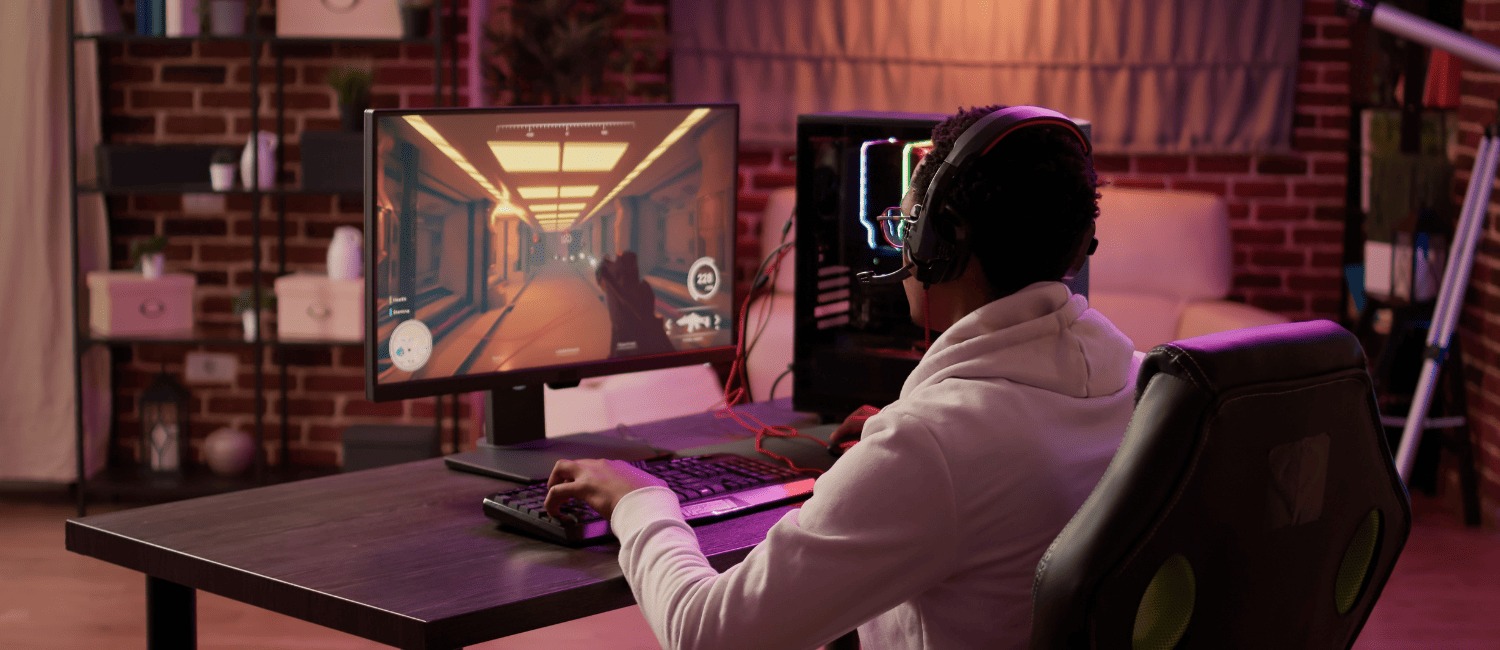
A lot of people assume gaming as a career simply means “play matches and earn money.” But from what I’ve seen, that’s just one small part of it. Professional gaming is structured, competitive, and surprisingly demanding.
If you’re seriously exploring how to become gamer, you need to understand what daily responsibilities actually look like — because this field is performance-driven and constantly evolving with technology, platforms, and audience trends.
Key Responsibilities of a Professional Gamer
Depending on whether you’re an esports athlete, streamer, or content creator, your responsibilities can vary — but here’s what most serious gamers consistently focus on:
- Practicing daily to improve reflexes, strategy, and game mechanics
- Studying opponents, gameplay patterns, and meta updates
- Participating in online and offline tournaments
- Streaming regularly on platforms like YouTube
- Creating engaging gaming content (highlights, tutorials, walkthroughs)
- Building and managing a personal brand on social media
- Collaborating with sponsors, teams, or gaming organisations
According to the PWC Report, Video games are set to become the largest segment of the global entertainment industry, with the market projected to exceed $227 billion by 2027.
In my opinion, consistency is what separates casual players from professionals. Talent helps — but discipline builds careers.
Work Environment of a Professional Gamer
Gaming careers don’t follow a “one-size-fits-all” path. Based on what I’ve observed, here are the most common environments you can work in:
1️⃣ Esports Team / Professional Gaming Organisation
- Structured practice schedules
- Team strategy meetings
- Participation in national and international tournaments
- Fixed contracts or prize-based earnings
- Performance pressure and competitive benchmarks
2️⃣ Independent Content Creator / Streamer
- Full flexibility and creative freedom
- Income through ads, sponsorships, donations, and memberships
- Requires strong branding and audience-building skills
- Self-managed schedules and discipline
3️⃣ Gaming Studios & Testing Roles
- Game testing and quality assurance
- Feedback on gameplay mechanics
- Stable working structure
- Less public exposure, more technical focus
4️⃣ Coaching & Training
- Training aspiring gamers
- Strategy analysis and gameplay improvement
- Paid mentoring sessions
- Growing demand in competitive esports
That’s where income diversification becomes powerful.
The gaming industry is competitive, fast-moving, and opportunity-rich — but it’s not random. Once you understand the responsibilities and work setups clearly, your journey toward how to become gamer becomes much more structured and realistic.
According to the LinkedIn Report, Gaming, immersive media, and interactive design are now among the fastest-growing digital career fields, reflecting how entertainment and technology are merging.
Educational Pathways & Skills Required to Become a Gamer
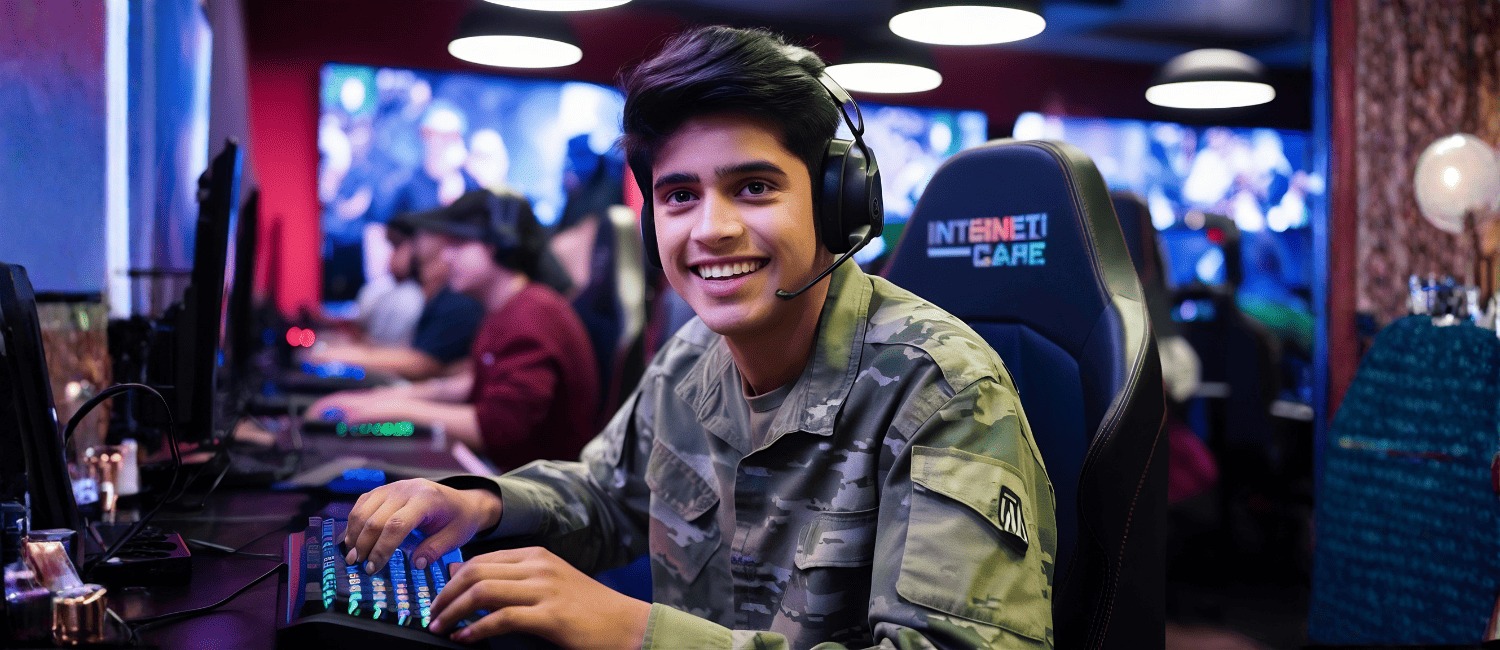
Now here’s something important I always tell students — gaming doesn’t have a “fixed degree” like engineering or medicine. That’s both a benefit and a challenge.
If you’re researching how to become gamer, you’ll quickly notice there isn’t one official qualification. Instead, your growth depends on skill development, structured training, exposure, and consistency.
That said, there are structured pathways you can follow to make your journey more professional and less trial-and-error.
Do You Need a Degree to Become a Gamer?
In my experience, no formal “gaming degree” is mandatory. What truly matters is:
- Mastery over one or two specific games
- Competitive ranking and tournament exposure
- Consistent streaming or content creation
- Strong communication and audience engagement skills
- Basic understanding of monetisation and branding
As per the Weforum Report, The future of work increasingly favors roles that combine technology, creativity, and digital interaction — a space where gaming careers naturally thrive.
However, having a parallel academic qualification is always smart. Gaming income can fluctuate, especially in the early stages. Many serious gamers either pursue graduation alongside gaming or choose flexible education options.
Skills That Matter More Than Degrees
If you’re serious about understanding how to become gamer, focus on building:
- Fast reflexes and strategic thinking
- Mental endurance and emotional control
- Team coordination (for esports titles)
- Content presentation skills
- Social media branding ability
- Time management and discipline
In my opinion, gaming is closer to being an athlete + entrepreneur combined. You’re not just playing — you’re building a brand.
In the next section, we’ll look at the key skills and personal qualities needed to succeed in gaming.
Typical Skills & Personal Qualities You’ll Need to Succeed in Gaming
Let me be very honest here — gaming professionally isn’t just about “being good at a game.” From what I’ve seen, the gamers who grow consistently are the ones who treat it like a performance career, not a hobby.
If you’re seriously exploring how to become gamer, you need to build both technical abilities and the right mindset.
🎮 Core Skills Every Aspiring Gamer Must Develop
These are non-negotiable if you want to compete seriously:
- Deep understanding of game mechanics and updates
- Quick reflexes and hand–eye coordination
- Strategic thinking and decision-making under pressure
- Knowledge of in-game meta, weapons, maps, and patches
- Familiarity with streaming tools and recording software
- Basic editing skills for creating highlights and reels
- Understanding of tournament formats and ranking systems
In my opinion, mastery over one game is far more powerful than being average at five different games.
🧠 Personal Qualities That Make a Professional Gamer
This is where many people underestimate the journey. Skill can be built — but temperament matters a lot.
- Emotional control after losing matches
- Discipline to practice daily, even without immediate rewards
- Competitive spirit without ego
- Strong focus during long gaming sessions
- Consistency in content creation
- Openness to feedback and improvement
Gaming burnout is real. So mental resilience is just as important as mechanical skill.
Career Progression: From Beginner Gamer to Established Professional
Now this is the part most people don’t think about properly. Gaming isn’t a one-step jump from “playing at home” to “earning lakhs.” It’s a progression.
If you’re seriously trying to understand how to become gamer, you need to see the journey in stages — because growth happens layer by layer.
Starting Phase – After Basic Skill Development
a) Beginner-Level Opportunities
At this stage, you’re building exposure and confidence:
- Participating in small online tournaments
- Streaming casually on YouTube or other platforms
- Creating short-form gaming content
- Joining amateur esports teams
- Practicing consistently to improve ranking
Income at this stage may be:
- Small tournament winnings
- Ad revenue (if monetised)
- Occasional brand collaborations
In my experience, this phase tests your patience more than your skill.
b) Choose Your Growth Direction
After gaining some traction, most gamers move into one (or more) of these routes:
- Professional Esports Player
Compete in national and international tournaments with a team. - Full-Time Streamer / Content Creator
Earn through ads, sponsorships, memberships, and donations. - Hybrid Model (Most Common)
Play tournaments + stream regularly + build personal brand. - Gaming Industry Roles
Game testing, coaching, content strategy, or esports management.
Return on Investment (ROI)
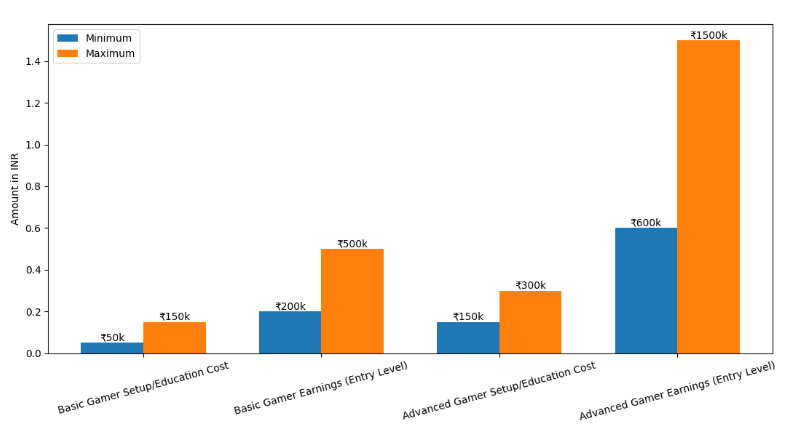
Basic Gaming Setup (PC / Console + Accessories):
Around ₹50,000 to ₹1.5 lakhs, depending on whether you choose a mid-range or high-performance system. This includes monitor, headset, controller, and stable internet setup.
Advanced Gaming & Streaming Setup:
₹1.5 lakhs to ₹3–4 lakhs if you invest in a high-end gaming PC, camera, lighting, microphone, capture card, and streaming software for professional content creation.
In my opinion, you don’t need to start with the most expensive setup. Many successful gamers began with basic equipment and upgraded once income started flowing.
Earning Potential
Entry-Level/ Basic Gamer: ₹2 lakhs to ₹5 lakhs per year
(Earnings mainly from small tournament prizes, ad revenue, and early sponsorships.)
Advanced-Level Gamer: ₹6 lakhs to ₹15 lakhs per year
(Stable monetised channel, brand collaborations, better tournament placements.)
As you grow your reputation and diversify income streams — through sponsorships, endorsements, affiliate marketing, event hosting, and even launching your own gaming brand — earnings can scale significantly.
Basic vs Advanced Gamers: Investment vs Income Comparison
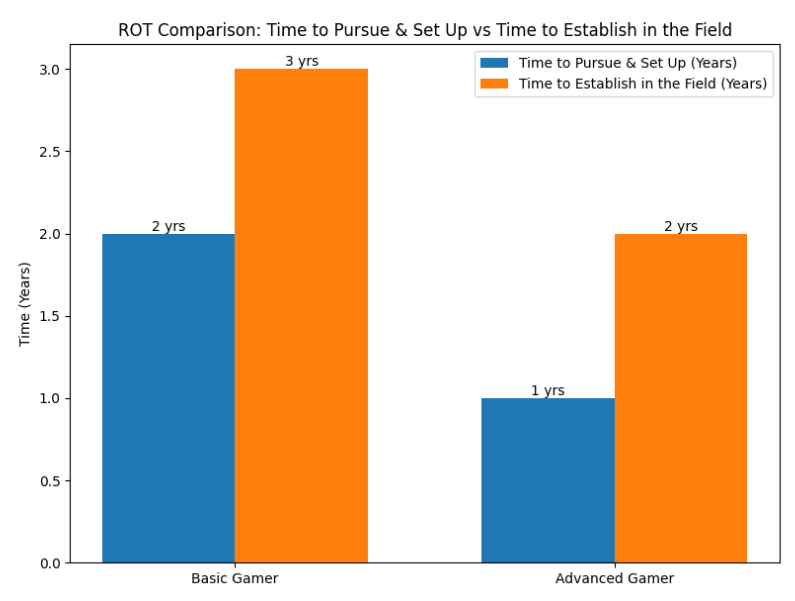
Return on Time (ROT) for Gamers
Many aspiring gamers start generating small income streams while they’re still building skills — through streaming, small tournaments, or content monetisation. For some, this can begin within 6–12 months of serious effort.
Break-even Point
In my experience, many gamers begin recovering their initial setup costs within the first 1–2 years — especially if they are consistent with streaming and participate regularly in competitions.
Some even start earning during their skill-building phase through:
- YouTube ad revenue
- Tournament prizes
- Early sponsorship deals
- Affiliate links
Unlike structured careers, your break-even point in gaming depends on visibility and performance. The more strategic you are, the faster you move.
Fast-Track Growth Options
Gamers who combine skill + content strategy + audience engagement tend to grow much faster than those who rely only on gameplay.
In short, ROT in gaming isn’t about waiting for a fixed promotion — it’s about how strategically you use your time from day one.
Future Prospects: The Next 20–30 Years in the Gaming Industry in India
If you ask me where gaming is headed in the next 20–30 years, I’d say we’re only at the beginning.
The gaming industry in India is expanding rapidly — driven by faster internet, affordable smartphones, growing esports tournaments, and global exposure. What used to be considered “just timepass” is now turning into a serious digital career ecosystem.
Over the next few decades, technology will completely reshape how gamers build careers.
We’re already seeing:
- Virtual Reality (VR) and Augmented Reality (AR) gaming
- AI-driven gameplay experiences
- Cloud gaming platforms
- Professional esports leagues
- International tournament exposure
- Gaming scholarships and structured training academies
As India becomes more digitally connected, esports will likely become more organised, regulated, and commercialised. Brands are investing heavily. Streaming platforms are expanding. Competitive gaming is becoming mainstream.
Conclusion
Professional gaming requires strategy, consistency, and long-term thinking. Whether you want to compete in esports tournaments, become a full-time streamer, or build a gaming-related business, there are multiple pathways available.
That’s where structured career guidance makes a difference. Through career counselling for students, we help young aspirants evaluate whether gaming truly matches their strengths, temperament, and long-term stability needs. For working professionals looking to shift into gaming or digital content creation, career counselling for professionals helps assess risk, financial planning, and transition strategy.
At Next Movez, we believe every passion deserves direction. If you’re unsure whether gaming is the right long-term path — or how to approach it strategically — we’re here to guide you.
Resources & References
Newzoo Insight Report
https://www.newzoo.com/insights/trend-reports/newzoo-global-games-market-report
PWC Report
https://www.pwc.com/gx/en/industries/tmt/media/outlook.html
The Future of Jobs (We Forum Report)
https://www.weforum.org/reports/the-future-of-jobs-report-2025
The LinkedIn Report on Gaming
https://www.linkedin.com/business/talent/blog/talent-strategy/jobs-on-the-rise